

Knife Violence in Boston
 In Boston, like in many US cities, discussions of violence and public safety tend to focus on firearms, rather than knives. Yet knife crime remains a persistent, sometimes
overlooked dimension of urban violence. While stabbings often fly under the radar compared to shootings, they share many of the same social drivers: interpersonal disputes,
gang rivalries, perceived disrespect, and disputes over local turf or illicit economies. Understanding knife crime is important because it can escalate rapidly, leave deep
trauma, and sometimes functions as a precursor or alternative to gun violence in constrained contexts (e.g. where firearms are less accessible, such as for younger teenagers
and kids).
In Boston, like in many US cities, discussions of violence and public safety tend to focus on firearms, rather than knives. Yet knife crime remains a persistent, sometimes
overlooked dimension of urban violence. While stabbings often fly under the radar compared to shootings, they share many of the same social drivers: interpersonal disputes,
gang rivalries, perceived disrespect, and disputes over local turf or illicit economies. Understanding knife crime is important because it can escalate rapidly, leave deep
trauma, and sometimes functions as a precursor or alternative to gun violence in constrained contexts (e.g. where firearms are less accessible, such as for younger teenagers
and kids).
Unlike national debates about “knife epidemics,” local data for Boston is intermittent and dispersed. The Boston Police Department’s public crime dashboard does not always isolate “knife assaults” as a separate category; many such cases are folded into “aggravated assaults” or “assault with a dangerous weapon.” Thus, much of what we know about stabbings comes from individual press reports, court filings, and anecdotal evidence. Still, recent incidents signal that knife crime remains active in neighborhoods long affected by violence. For example, in East Boston in September 2025, a 14-year-old was held without bail after being charged with “assault to murder” and assault with a dangerous weapon for allegedly stabbing another teen. Another incident in Roxbury involved a serious stabbing where the victim was transported to a hospital. These cases are snapshots rather than comprehensive counts, but they illustrate that knife violence is among Boston’s present challenges.
Knife crime’s logic often mirrors that of gun violence, but with lower technical and financial barriers. A knife is more accessible than a firearm, easier to conceal, and cheaper to acquire or repurpose. In some conflict scenarios, a knife may serve as an escalatory tool or fallback weapon when firearms are unavailable or when a more subtle weapon is tactically preferred (e.g. indoors, hallway altercations, where there is a chance of a bullet going astray and injuring innocents and/or people who are with the shooter etc.). In gang dynamics, a knife may also be used as a show of readiness or as a tool of intimidation before escalation to gunfire.
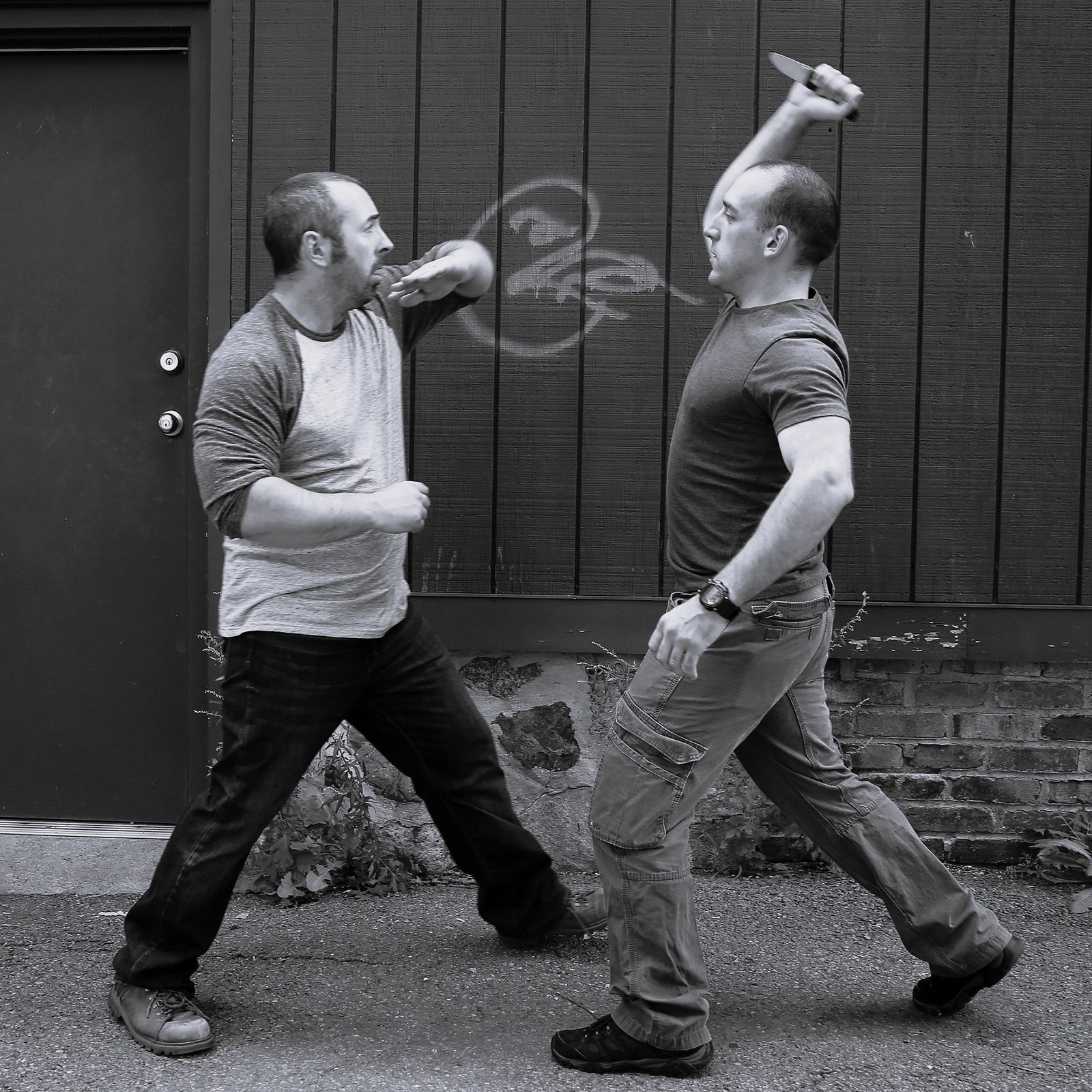 In the context of gangs and illicit drug markets, knife violence can serve several roles. First, as a rapid enforcement mechanism — if a dealer falls behind on debts,
weaponized threats with knives may be used to push compliance when firearms are too risky. Second, as a tool of rivalry or retaliation in areas where gun possession is more
heavily policed. Third, as a signaling or status tool: a knife attack may be captured on social media or serve as proof of toughness or willingness to punish betrayal. Thus,
knife assaults sometimes emerge in the same conflicts over corner control, drug territory, or personal slights that also fuel gun violence.
In the context of gangs and illicit drug markets, knife violence can serve several roles. First, as a rapid enforcement mechanism — if a dealer falls behind on debts,
weaponized threats with knives may be used to push compliance when firearms are too risky. Second, as a tool of rivalry or retaliation in areas where gun possession is more
heavily policed. Third, as a signaling or status tool: a knife attack may be captured on social media or serve as proof of toughness or willingness to punish betrayal. Thus,
knife assaults sometimes emerge in the same conflicts over corner control, drug territory, or personal slights that also fuel gun violence.
That said, the incidence of knife crime in Boston, especially when lethal, is lower compared to shootings and homicides. In recent years, Boston’s homicide totals have reached historic lows. In 2023, the city recorded 37 homicides — one of the lowest counts in decades. By late 2024, officials reported just 24 homicides for the year, marking the fewest in 67 years, a decline of roughly one-third from the previous year. (turn0search13) This drop in firearms killings does not imply knife crime is negligible but does suggest that knife violence plays a smaller role in Boston’s severe mortality burden. However, the role of knife violence in the city may be obscured by the fact that many knife attacks don’t result in homicide.
However, these nonfatal stabbings contribute to community trauma, hospitalizations, and fear — especially in neighborhoods already suffering violence. Knife wounds often leave survivors with lasting physical and psychological injury, and they can escalate conflicts to gunfire. Because many stabbing incidents are resolved before law enforcement or medical systems can intervene, the true scale is likely underreported.
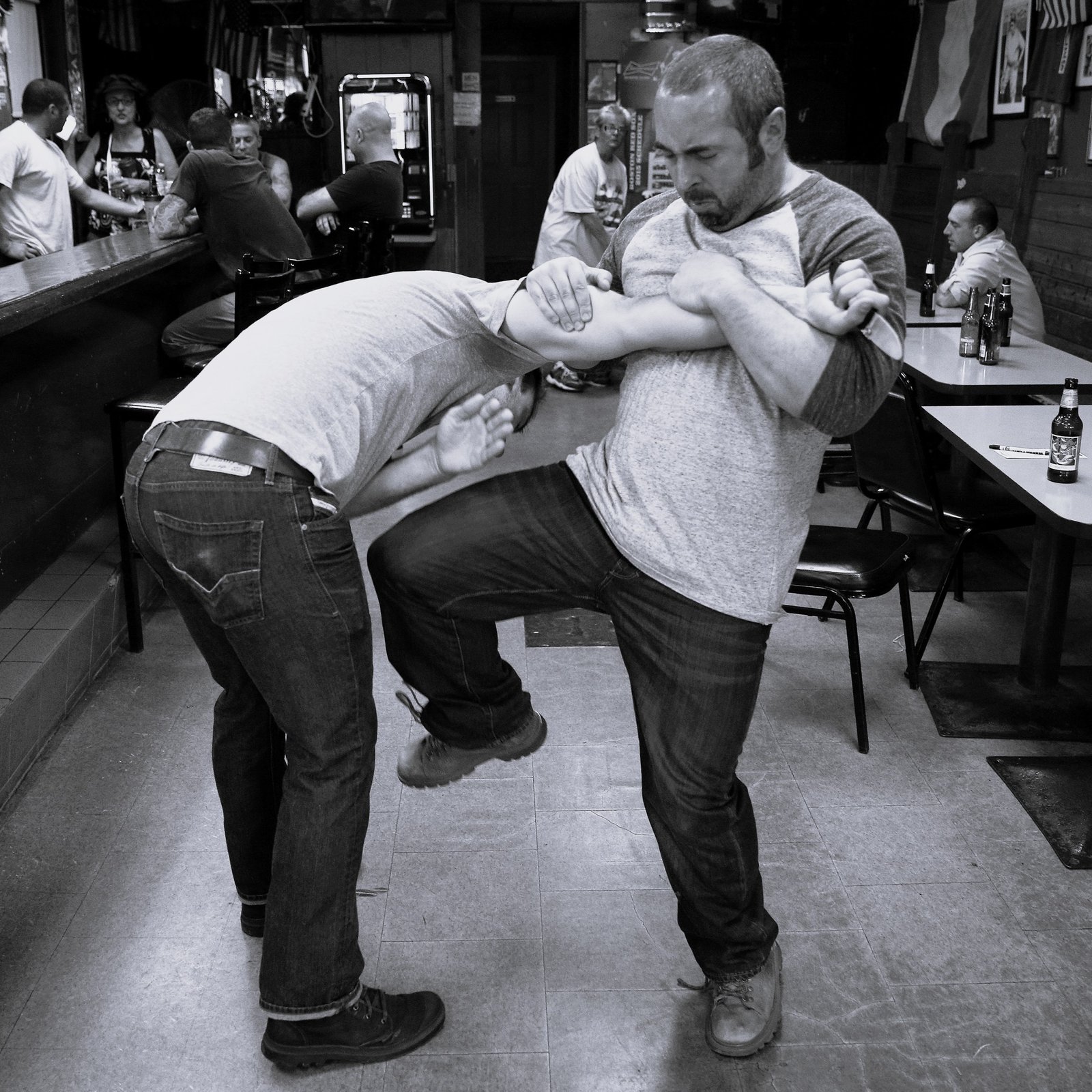 Boston faces several challenges in responding to knife crime. First is data transparency: without routine and standardized categorization of knife assaults in public dashboards
or annual reports, it is difficult to assess trends, hotspot locations, or demographic patterns. Second is forensic and investigative complexity: knife attacks often occur indoors,
in close quarters, or without witnesses — making ballistic-style evidence unavailable and requiring strong detective and medical collaboration. Third is deterrence limitations:
knives are often regarded legally as less severe than firearms, meaning that stabbings may attract less severe charges or enforcement priority, which can reduce deterrent effects.
Fourth, societal responses and stigmatization: in areas with high violence, victims of knife attacks and their communities may be reluctant to cooperate for fear of retaliation,
further obscuring incidence.
Boston faces several challenges in responding to knife crime. First is data transparency: without routine and standardized categorization of knife assaults in public dashboards
or annual reports, it is difficult to assess trends, hotspot locations, or demographic patterns. Second is forensic and investigative complexity: knife attacks often occur indoors,
in close quarters, or without witnesses — making ballistic-style evidence unavailable and requiring strong detective and medical collaboration. Third is deterrence limitations:
knives are often regarded legally as less severe than firearms, meaning that stabbings may attract less severe charges or enforcement priority, which can reduce deterrent effects.
Fourth, societal responses and stigmatization: in areas with high violence, victims of knife attacks and their communities may be reluctant to cooperate for fear of retaliation,
further obscuring incidence.
On the prevention side, Boston can integrate knife-crime strategies into the existing Group Violence Intervention (GVI) and precision violence reduction models that primarily target gun violence. Some possible preventive measures include rapid crisis response in stabbing hotspots; mediation programs or “safe zones” to defuse interpersonal disputes before escalation; hospital-based violence interruption where stabbed patients are offered support and interruption services; and “knife diversion” educational programs in high-risk schools and youth centers. Strategic enforcement also matters — focusing on individuals with repeated knife assaults, those carrying concealed blades unlawfully, or those who combine knife use with other violent behavior.
Although knife crime is less discussed, it remains part of the complex ecology of violence in Boston. It overlaps with gang-involved conflict, drug market disputes, and retaliatory cycles. Because knives are easier to access than firearms, they can serve as both primary and fallback weapons in street conflict. While Boston has enjoyed remarkable progress in reducing homicide and shootings, even small increases in stabbings can undermine community perception of safety and contribute to future escalation. More effective responses require better data, integrated prevention, and a willingness to treat knife assaults not as isolated episodes, but part of the same systemic violence challenge Boston continues to face.